Nature
Huatulco National Park: A Visitor’s Guide
What the park protects, how to explore it by sea and on foot, what entry costs, and the rules to know before you swim over the reef.
Huatulco+ teamUpdated November 16, 20269-minute read
Contents
Summary
- What it is: a protected area since 1998, with 11,890.98 hectares of forest and sea that take in five of the nine bays.
- How to see it: on a boat trip from Santa Cruz, or by road to Maguey Bay.
- Entry fee in 2026: MX$125 per person per day; Mexican visitors pay half, and children under 12 enter free.
- On the reef: don’t touch the coral or feed the fish, wear a life jacket, and use only biodegradable sunscreen.
About Huatulco National Park
Huatulco National Park was decreed on July 24, 1998, and protects 11,890.98 hectares of the municipality of Santa María Huatulco: 6,374.98 on land and 5,516 at sea. It is managed by Mexico’s National Commission of Natural Protected Areas (CONANP).
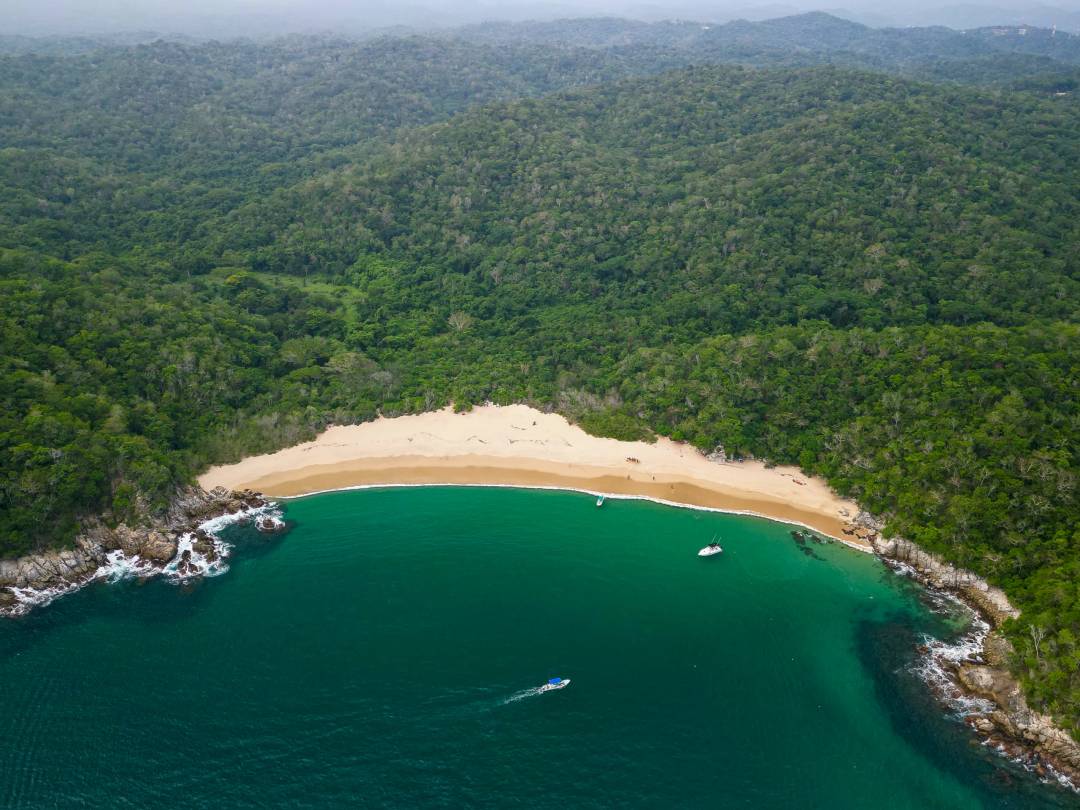
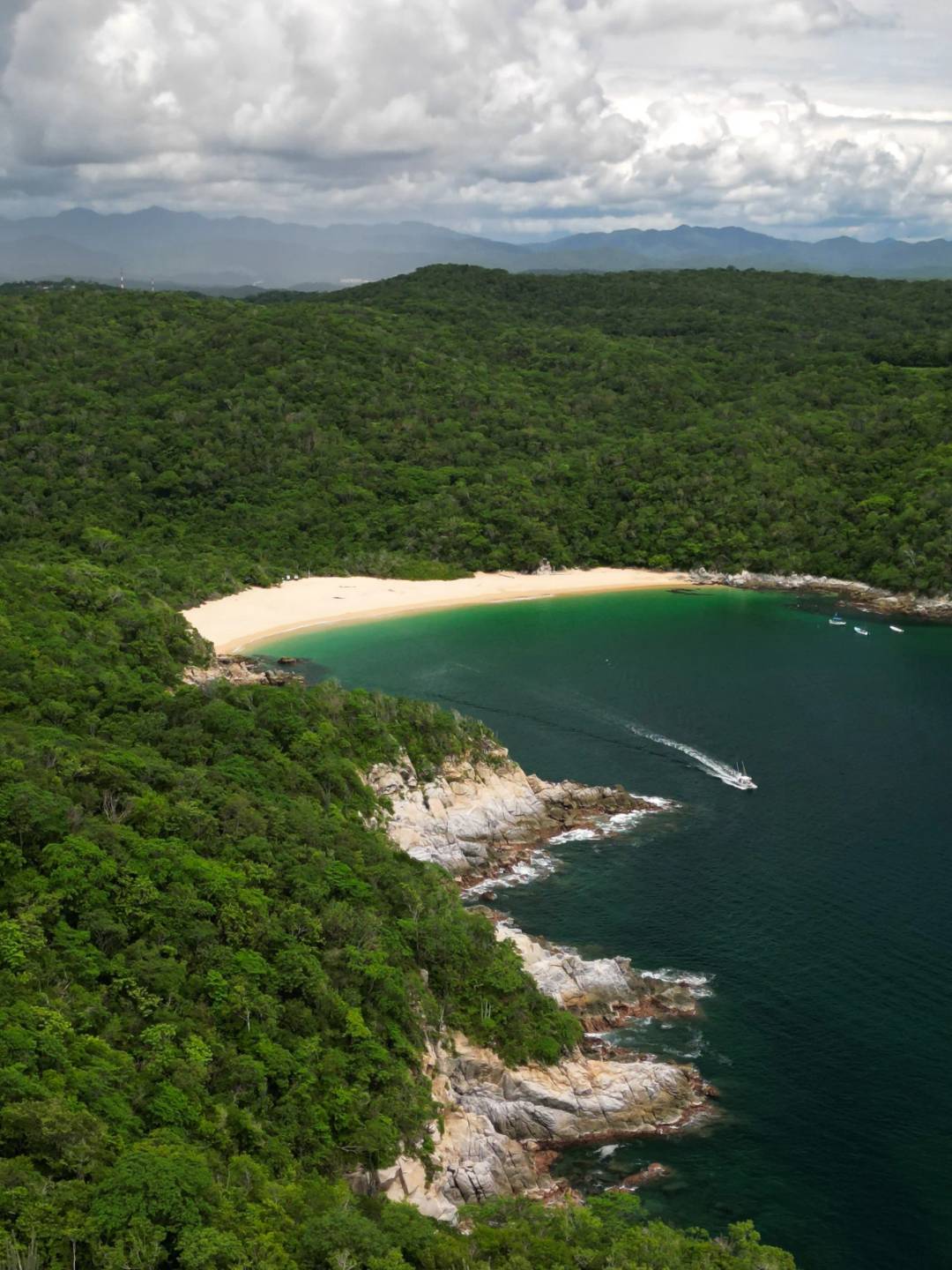
The park covers Huatulco’s western coast. At sea it runs from Punta Sacrificio to Punta Violín and reaches about 3.5 kilometers offshore, taking in five of the nine bays: San Agustín, Chachacual, Cacaluta, Maguey and El Órgano. To the east it borders the town of La Crucecita.
The park is also recognized internationally. It is part of the Ramsar site “Cuencas y corales de la zona costera de Huatulco,” listed in 2003 as a Wetland of International Importance, and of the Huatulco Biosphere Reserve, designated by UNESCO in 2006.
- Decreed:
- July 24, 1998
- Total area:
- 11,890.98 ha
- On land:
- 6,374.98 ha
- At sea:
- 5,516 ha
Dry forest, mangroves and coral reefs
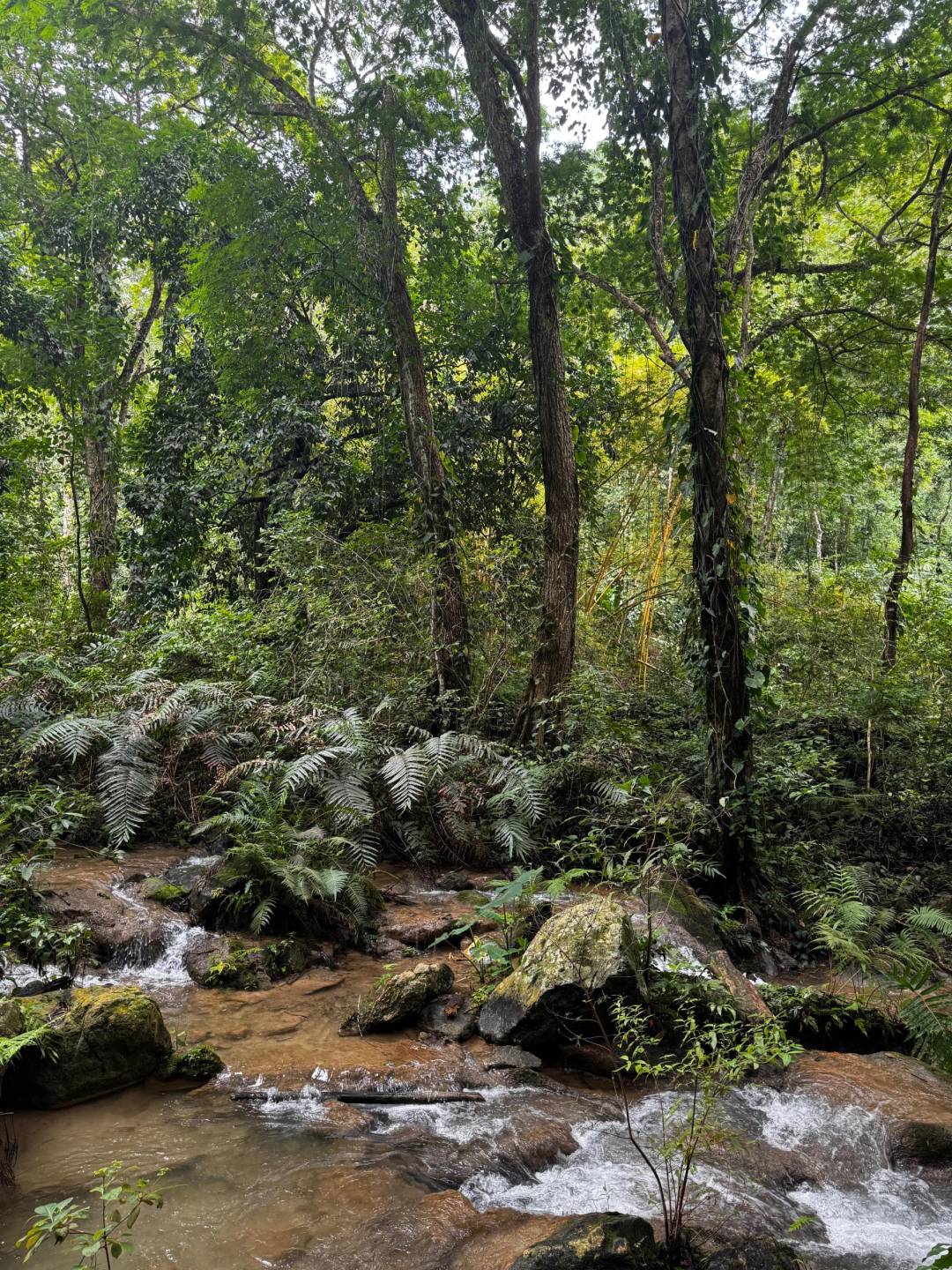
On land, the park is dominated by tropical dry forest, which makes up about 80% of its vegetation. The trees drop their leaves in the dry season and turn green again with the rains, from June to October. In Huatulco this forest has trees 15 to 18 meters tall, unusually high for its type, mixed with cacti.
The valleys hold riverside vegetation, wetlands that flood in the rainy season, and small patches of mangrove, mainly at Playa Chachacual.
Underwater, the park holds 18 coral communities covering about 46 hectares, roughly 1% of its marine area. They are fringing reefs close to shore, built by corals of the genera Pocillopora, Porites and Pavona.
The park’s management program records 430 plant species, 291 birds, 130 mammals, 72 reptiles and 15 amphibians on land, and 12 coral species, 116 fish and 58 invertebrates at sea.
Bays and beaches inside the park
From west to east, the park’s five bays are San Agustín, Chachacual, Cacaluta, Maguey and El Órgano. Smaller beaches lie between them, such as Riscalillo and Jicaral, between San Agustín and Chachacual, and Playa Arroyo, next to Cacaluta.
The park’s eastern limit is Punta Violín. Santa Cruz Bay and Playa La Entrega lie outside the protected area.
How to visit Huatulco National Park
By boat. This is the easiest way to see the park. Boats leave from the Santa Cruz harbor, and bay tours stop for swimming and snorkeling; Maguey Bay and Playa La India are regular stops. Chachacual can only be reached by sea.
- Full Day Tour of the Bays of Huatulco8 hours4.3 out of 5 (253 reviews)from MX$760
- Huatulco Bahías Tour7 hours4.5 out of 5 (105 reviews)from MX$950
- Exclusive 7 bays of Huatulco by Panga Boat or Yacht.7 hours4.7 out of 5 (53 reviews)from MX$5,546
Booked through Viator. Huatulco+ may earn a commission.
By road. Maguey Bay has a paved road, parking, restrooms and restaurants. From Maguey, a demanding trail leads to El Órgano Bay, which has no facilities. San Agustín Bay is reached on a road through the village; after heavy rain, ask about its condition before you go.
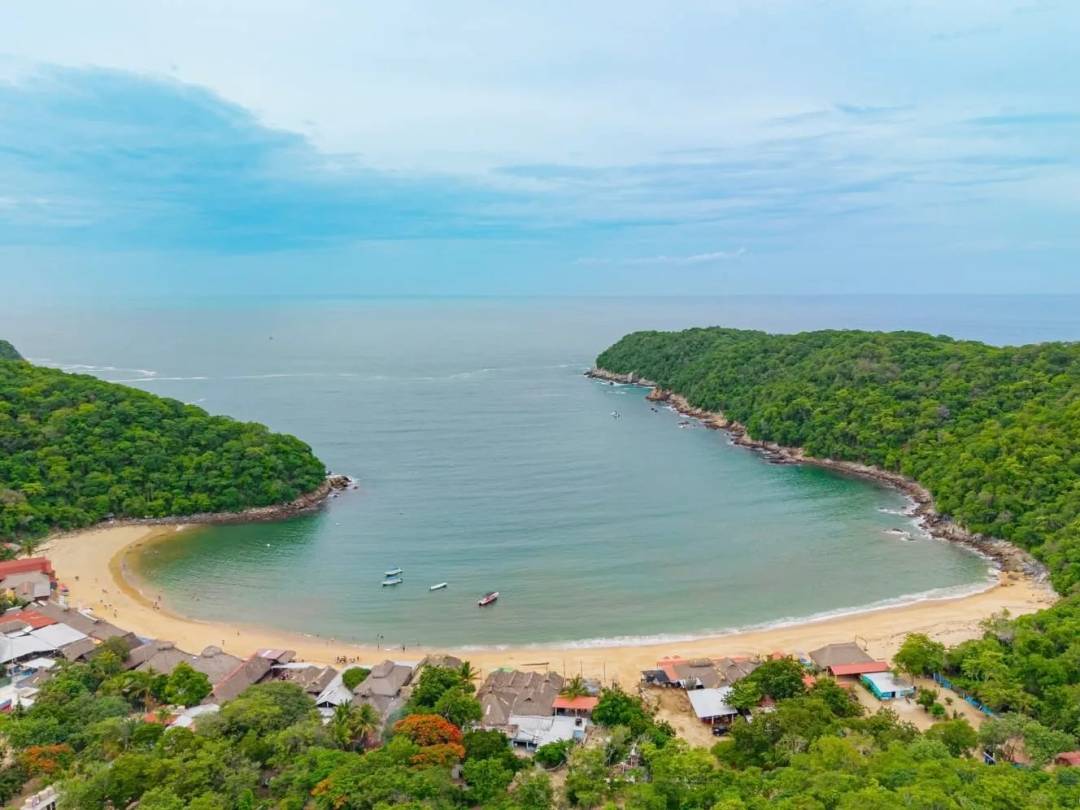
On foot. The park has three official trails: Zanate, Cruz del Monte and Sabanal. The Zanate trail, about 2 kilometers long, crosses two lagoons with birdlife and ends at Playa Cacaluta; it starts from the Cacaluta road, which branches off the road to Maguey. For activities on land, CONANP recommends booking with a licensed tour company.
The park is open daily from 7 a.m. to 7 p.m.
Park entry fee in 2026
Entry to Huatulco National Park costs MX$125 per person per day in 2026. It is a federal fee, set by Mexico’s Federal Fees Law, and it goes to CONANP for the management of protected areas.
| Visitor | Fee per day |
|---|---|
| International visitors | MX$125 |
| Mexican visitors and foreign residents of Mexico | 50% off |
| Students and teachers with a valid ID | 75% off |
| Children under 12, seniors, pensioners, retirees and people with disabilities | Free |
Discounts and exemptions require a valid ID or credential when you enter the park.
On a trip with a licensed operator, the law places the payment on the operator; if you visit on your own, each visitor pays. Before you book, ask whether the trip price includes the fee.
Park rules for visitors
Don’t touch the coral. Don’t stand on, hold on to or walk over the reef, don’t wear gloves, and keep at least one meter away when you swim above it.
Don’t feed the wildlife. Feeding, chasing or disturbing fish and other marine life is prohibited.
Take nothing. Don’t remove coral, shells, snails or plants, and don’t buy souvenirs made from wild species.
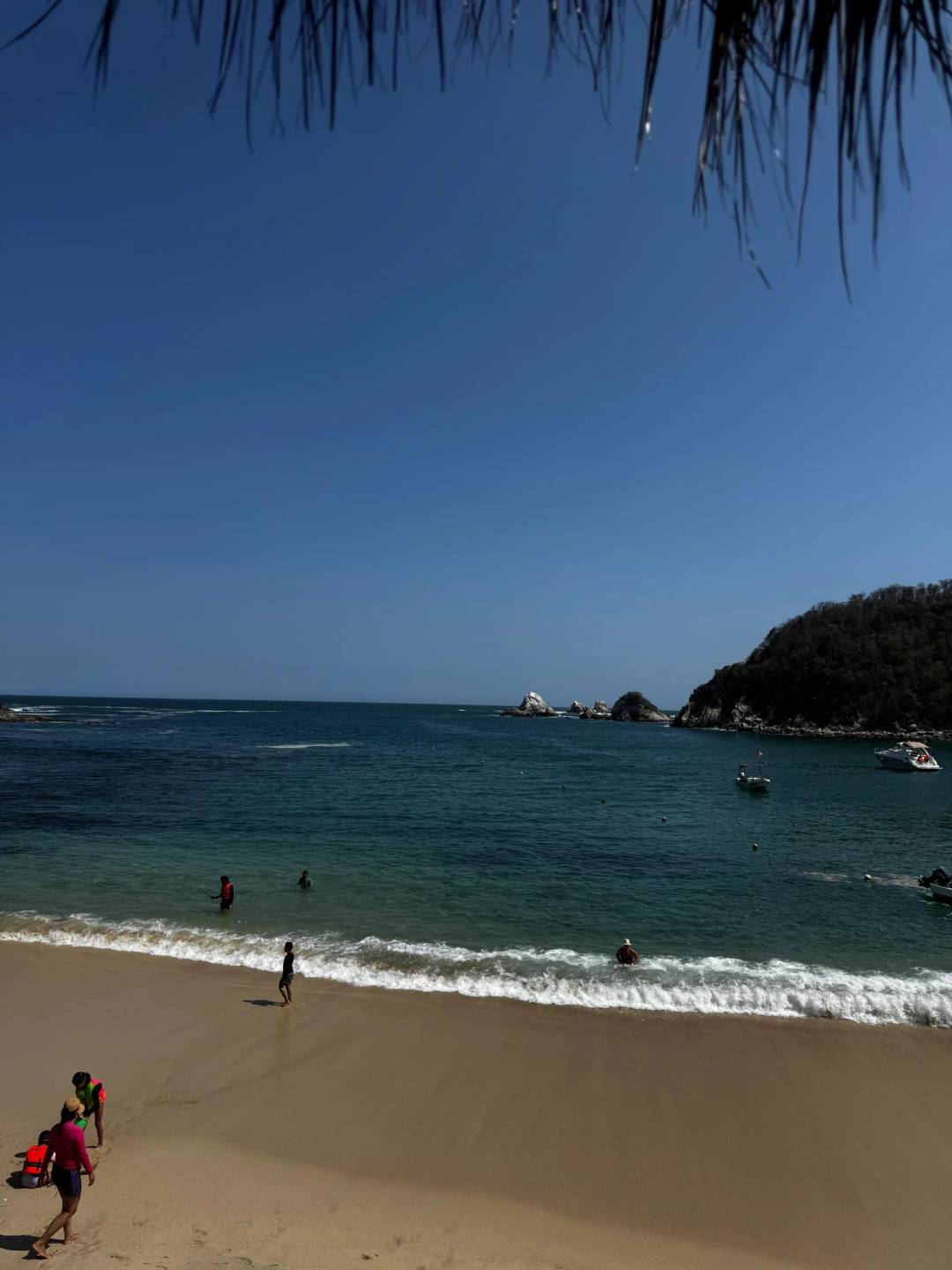
Wear a life jacket. It is required for snorkeling in reef areas, and each guide may lead no more than ten people.
No fires. Campfires are not allowed in the park. Camping is permitted only at authorized sites, with advance notice to the park office.
No litter. Bring a bag and carry out all your trash.
Trails and islands. Stay on marked trails and in designated areas. The islands and islets are strictly protected: you can see them from the boat, but landing is not allowed.
- Hours:
- Daily, 7 a.m.–7 p.m.
- Park office:
- Edificio Federal, Bulevar Chahué, Sector H, La Crucecita
- Phone:
- +52 958 587 0446
Biodegradable sunscreen
Tanning lotions and sunscreens that are not biodegradable are prohibited in the park. For swimming and snorkeling, CONANP recommends skipping sunscreen and covering up with long sleeves.
The most practical option is a long-sleeved rash guard and, out of the water, a hat. If you do use sunscreen, choose a biodegradable one.
The reefs after the 2023 bleaching
In 2023, extreme sea temperatures during El Niño bleached the park’s corals. Monitoring by CONANP, the conservation group COSTASALVAJE and universities found that coral cover fell by more than 80%. Reefs facing built-up areas, such as San Agustín and La Entrega, lost their coral plates entirely; at isolated sites reachable only by boat, some coral survived.
Scientists say recovery could take at least two decades if no new disturbances occur. The reef fish and the colonies that held on are still there, which is why the reef rules deserve particular care.
Where to snorkel in the park
The best time to snorkel is in the morning, when the sea is calm and visibility is good. These are the park’s best spots.
- La India BeachChachacual Bay · By boat · Food
- El Órgano BeachVery calm water · By boat or trail · No facilities
- Maguey BeachBy car · Snorkel the rocky ends · Food and restrooms
- Cacaluta BeachAround the island · Currents possible · No facilities
- Playa ArroyoNext to Cacaluta · By boat · No facilities
- RiscalilloWestern park · By boat · Food
- Violín BeachTaxi and a short, steep trail · No facilities
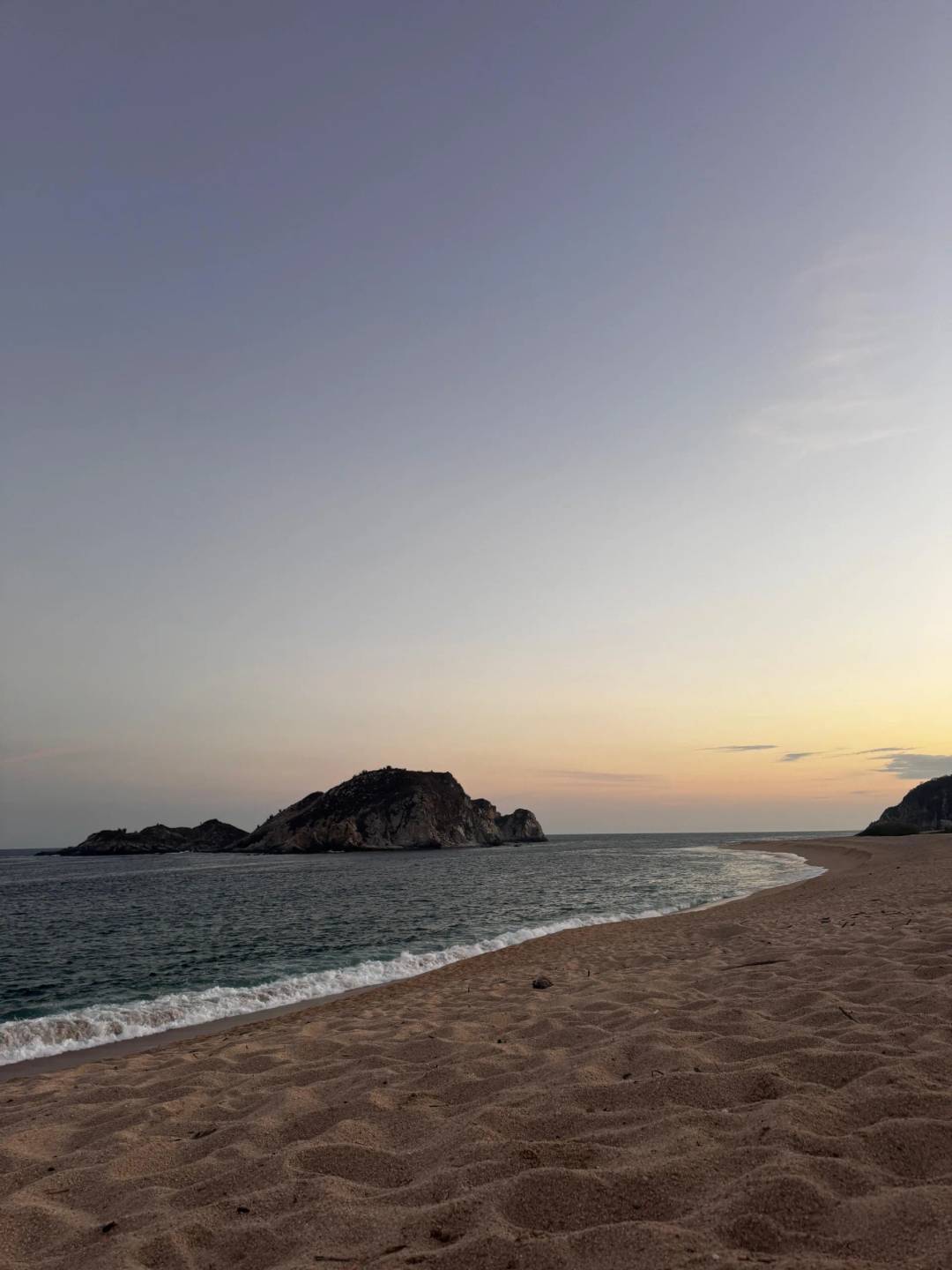
Playa Cacaluta is about a kilometer long and sheltered by an island; the best snorkeling is around it. There can be a strong undertow, so swim only when the sea is calm. Scenes from “Y tu mamá también” were filmed on this beach.
Wildlife and plants of Huatulco National Park
The forest is home to coatis, white-tailed deer, raccoons and, harder to spot, ocelots and pumas. Notable birds include the citreoline trogon, the white-throated magpie-jay, the West Mexican chachalaca and the golden-cheeked woodpecker, the last two endemic to Mexico.
About a third of the park’s bird species are winter visitors, and the park lies on a migration corridor used by species such as the osprey, the American white pelican and the roseate spoonbill.
Iguanas are the reptiles you are most likely to see: the spiny-tailed iguana, threatened and endemic, and the green iguana.
At sea, the park records sea turtles, including the endangered olive ridley, along with dolphins and humpback whales. The reefs hold king angelfish, razor surgeonfish and giant damselfish, among many others.
The purple snail lives on the shoreline rocks. Mixtec artisans from Pinotepa de Don Luis dye thread with its ink in the traditional way, without killing the snail, and harvesting is closed from May 15 to August 30.
The park’s signature trees include the ceiba, the guanacaste and the threatened guayacán; red mangrove grows along the shore.
Tangolunda National Park
Tangolunda National Park is a separate protected area. It was decreed in February 2024 over the former Tangolunda golf course, about 110 hectares. The course has been closed since March 2024 and the case is still in court, so for now it cannot be visited.
Frequently asked questions
How much does it cost to enter Huatulco National Park?
In 2026, MX$125 per person per day. Mexican visitors and foreign residents pay half, and children under 12, seniors and people with disabilities enter free. On a licensed tour, the operator is responsible for the payment.
Which bays are inside Huatulco National Park?
San Agustín, Chachacual, Cacaluta, Maguey and El Órgano. Santa Cruz, Chahué, Tangolunda and Conejos are outside the park, as is Playa La Entrega.
Can you visit the park without a boat?
Yes. Maguey Bay has a paved road, and from there a trail leads to El Órgano. Cacaluta is reached on the Zanate trail with a licensed company, and San Agustín on a road through the village. Chachacual is accessible only by sea.
What sunscreen can you use in the park?
Only biodegradable sunscreen; all others are prohibited. For swimming and snorkeling, CONANP recommends skipping sunscreen and covering up with long sleeves.
Can you camp in Huatulco National Park?
Only at authorized sites, with advance notice to the park office. Campfires are not allowed.
What are the park’s hours?
It is open daily from 7 a.m. to 7 p.m.